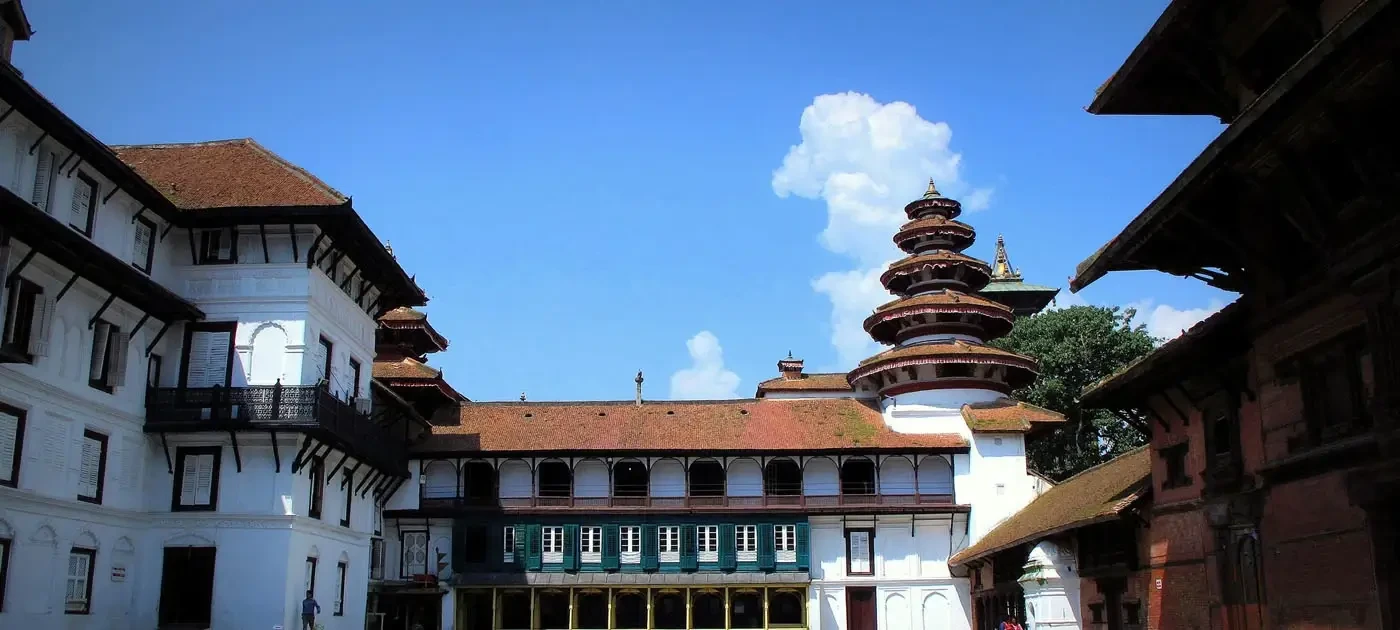

Kathmandu Valley is a unique region known for its rich Newari culture, beautiful geography, and ancient history. Located in the foothills of the Himalayas at around 1,400 meters above sea level, the valley is surrounded by green hills and fertile land. It is home to the indigenous Newar community, whose traditions, art, cuisine, festivals, and architecture define the valley’s identity. The historic cities of Kathmandu, Lalitpur, and Bhaktapur are filled with ancient temples, courtyards, and beautifully carved wooden houses that showcase outstanding Newari craftsmanship.
The origins of Kathmandu Valley are connected to both geology and legend. It is believed that the valley was once a large lake, and according to mythology, it was drained by Manjushree, making the land suitable for human settlement. Over time, rulers like the Malla kings turned the valley into a major center of art, culture, and trade. During this period, Newari culture flourished, blending Hindu and Buddhist traditions in daily life, rituals, and colorful festivals that continue to this day.
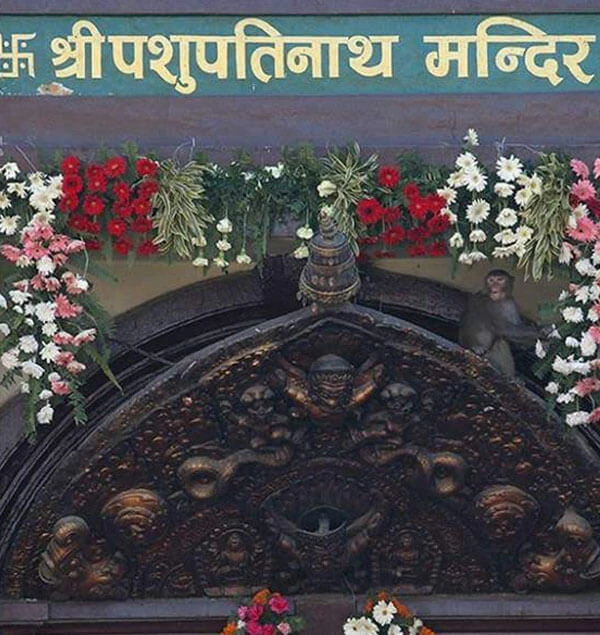
Kathmandu Valley is also famous for its seven UNESCO World Heritage cultural Sites, which reflect its deep cultural and religious importance. These include the historic squares of Kathmandu Durbar Square, Patan Durbar Square, and Bhaktapur Durbar Square, along with sacred sites like Swayambhunath, Boudhanath, Pashupatinath Temple, and Changu Narayan Temple. These world-famous landmarks make the valley a top travel destination, where ancient heritage, living traditions, and modern life come together, offering visitors a rich and authentic experience of Nepal.


